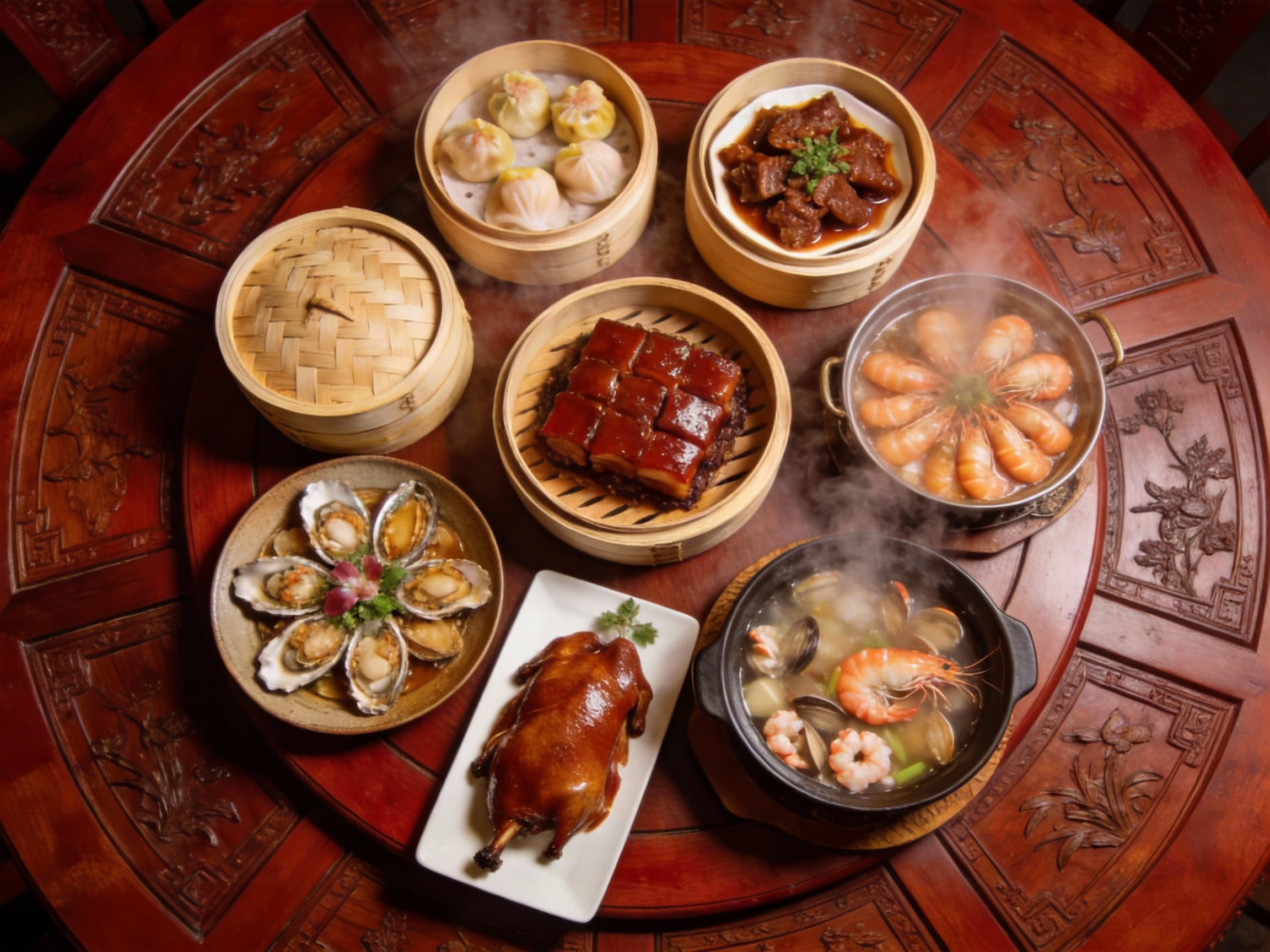
Introduction
Food is at the heart of Chinese culture. When learning Mandarin, understanding China's culinary traditions opens doors to meaningful conversations and cultural connections. The Chinese saying goes:
This means "Food is the paramount necessity of the people" - showing just how central cuisine is to Chinese life.
China's vast territory has given rise to eight distinct regional cooking styles, known as 八大菜系 (bā dà cài xì) - the Eight Great Cuisines. Each reflects local ingredients, climate, history, and taste preferences. Let's explore them all!
The Eight Great Cuisines Overview
| 菜系 | Pinyin | English | Key Characteristics |
|---|---|---|---|
| 川菜 | Chuān cài | Sichuan | Spicy, numbing, bold |
| 粤菜 | Yuè cài | Cantonese | Fresh, light, sweet |
| 鲁菜 | Lǔ cài | Shandong | Salty, crispy, rich |
| 苏菜 | Sū cài | Jiangsu | Sweet, delicate, artistic |
| 浙菜 | Zhè cài | Zhejiang | Fresh, tender, mellow |
| 闽菜 | Mǐn cài | Fujian | Umami, seafood, soups |
| 湘菜 | Xiāng cài | Hunan | Hot, sour, aromatic |
| 徽菜 | Huī cài | Anhui | Braised, wild herbs |
川菜 (Chuān Cài) - Sichuan Cuisine
Sichuan cuisine is famous worldwide for its bold, fiery flavors. The signature taste is 麻辣 (má là) - a unique combination of numbing and spicy sensations from Sichuan peppercorns and chili peppers.
Famous Dishes:
| 中文 | Pinyin | English |
|---|---|---|
| 麻婆豆腐 | má pó dòu fu | Mapo Tofu |
| 宫保鸡丁 | gōng bǎo jī dīng | Kung Pao Chicken |
| 火锅 | huǒ guō | Hot Pot |
| 回锅肉 | huí guō ròu | Twice-Cooked Pork |
Useful phrase when ordering:
This means "Please add less chili" - very useful if you can't handle the heat!
粤菜 (Yuè Cài) - Cantonese Cuisine
Cantonese cuisine, from Guangdong province, emphasizes fresh ingredients and natural flavors. It's known for dim sum, roasted meats, and seafood dishes.
Famous Dishes:
| 中文 | Pinyin | English |
|---|---|---|
| 烧鹅 | shāo é | Roast Goose |
| 虾饺 | xiā jiǎo | Shrimp Dumplings |
| 叉烧 | chā shāo | BBQ Pork |
| 肠粉 | cháng fěn | Rice Noodle Rolls |
At a dim sum restaurant, you might hear:
"What tea would you like to drink?"
鲁菜 (Lǔ Cài) - Shandong Cuisine
As one of the oldest culinary traditions, Shandong cuisine influenced the imperial court kitchens. It features rich flavors, crispy textures, and expert use of onions and garlic.
Famous Dishes:
| 中文 | Pinyin | English |
|---|---|---|
| 糖醋鲤鱼 | táng cù lǐ yú | Sweet and Sour Carp |
| 葱烧海参 | cōng shāo hǎi shēn | Braised Sea Cucumber with Scallions |
| 九转大肠 | jiǔ zhuǎn dà cháng | Braised Intestines |
| 德州扒鸡 | dé zhōu pá jī | Dezhou Braised Chicken |
苏菜 (Sū Cài) - Jiangsu Cuisine
Known for its artistic presentation and sweet flavors, Jiangsu cuisine treats cooking as an art form. Dishes are often beautifully arranged and feature delicate, balanced tastes.
This phrase means "Jiangsu cuisine emphasizes color, aroma, and taste together."
Famous Dishes:
| 中文 | Pinyin | English |
|---|---|---|
| 松鼠桂鱼 | sōng shǔ guì yú | Squirrel-Shaped Mandarin Fish |
| 狮子头 | shī zi tóu | Lion's Head Meatballs |
| 盐水鸭 | yán shuǐ yā | Salted Duck |
| 蟹粉豆腐 | xiè fěn dòu fu | Tofu with Crab Roe |
浙菜 (Zhè Cài) - Zhejiang Cuisine
From the land of West Lake, Zhejiang cuisine is fresh, tender, and mellow. It uses seasonal ingredients and careful cooking techniques to preserve natural flavors.
"Hangzhou's West Lake Vinegar Fish is very famous."
Famous Dishes:
| 中文 | Pinyin | English |
|---|---|---|
| 西湖醋鱼 | xī hú cù yú | West Lake Vinegar Fish |
| 东坡肉 | dōng pō ròu | Dongpo Pork |
| 龙井虾仁 | lóng jǐng xiā rén | Shrimp with Longjing Tea |
| 叫花鸡 | jiào huā jī | Beggar's Chicken |
闽菜 (Mǐn Cài) - Fujian Cuisine
Fujian cuisine excels in soups and seafood, featuring umami-rich flavors and beautiful knife skills. The coastal location provides abundant fresh seafood.
"Fujian cuisine's soups are especially delicious."
Famous Dishes:
| 中文 | Pinyin | English |
|---|---|---|
| 佛跳墙 | fó tiào qiáng | Buddha Jumps Over the Wall |
| 沙茶面 | shā chá miàn | Satay Noodles |
| 蚵仔煎 | ké zǎi jiān | Oyster Omelette |
| 荔枝肉 | lì zhī ròu | Lychee-Shaped Pork |
湘菜 (Xiāng Cài) - Hunan Cuisine
Often confused with Sichuan, Hunan cuisine is equally spicy but uses fresh chilies instead of peppercorns, creating a pure, burning heat combined with sour notes.
"Hunan food is even spicier than Sichuan food!"
Famous Dishes:
| 中文 | Pinyin | English |
|---|---|---|
| 剁椒鱼头 | duò jiāo yú tóu | Fish Head with Chopped Chili |
| 毛氏红烧肉 | máo shì hóng shāo ròu | Chairman Mao's Red Braised Pork |
| 口味虾 | kǒu wèi xiā | Spicy Crayfish |
| 农家小炒肉 | nóng jiā xiǎo chǎo ròu | Farmer's Stir-Fried Pork |
徽菜 (Huī Cài) - Anhui Cuisine
The least known internationally, Anhui cuisine features wild herbs, mountain ingredients, and slow-braising techniques. It originated from the mountainous regions of Anhui province.
"Anhui cuisine is skilled at using ham and wild game."
Famous Dishes:
| 中文 | Pinyin | English |
|---|---|---|
| 臭鳜鱼 | chòu guì yú | Stinky Mandarin Fish |
| 毛豆腐 | máo dòu fu | Hairy Tofu |
| 火腿炖甲鱼 | huǒ tuǐ dùn jiǎ yú | Ham Stewed with Soft-Shell Turtle |
| 符离集烧鸡 | fú lí jí shāo jī | Fuliji Roast Chicken |
Essential Food Vocabulary
Here are must-know words for discussing Chinese food:
| 中文 | Pinyin | English |
|---|---|---|
| 好吃 | hǎo chī | delicious |
| 辣 | là | spicy |
| 甜 | tián | sweet |
| 咸 | xián | salty |
| 酸 | suān | sour |
| 鲜 | xiān | umami/fresh |
| 菜单 | cài dān | menu |
| 服务员 | fú wù yuán | waiter/waitress |
Useful Restaurant Phrases
Practice these phrases for your next Chinese dining experience:
"What is this dish made of?"
"I can't eat spicy food."
"Please recommend a dish for me."
"Check, please!"
Conclusion
Exploring China's eight great cuisines is a delicious way to deepen your understanding of Chinese culture and expand your vocabulary. Each region tells a story through its food - from the fiery passion of Sichuan to the refined elegance of Jiangsu.
Next time you visit a Chinese restaurant, try identifying which regional cuisine inspires the menu. And remember:
This common greeting literally asks "Have you eaten?" - showing just how central food is to Chinese daily life!
Bon appétit - or as they say in Chinese, "Wish you a good appetite!"